Geosynthetic Cementitious Composit Mat
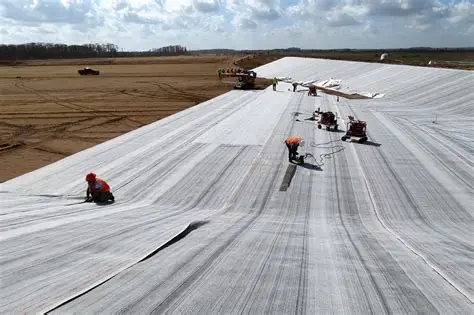


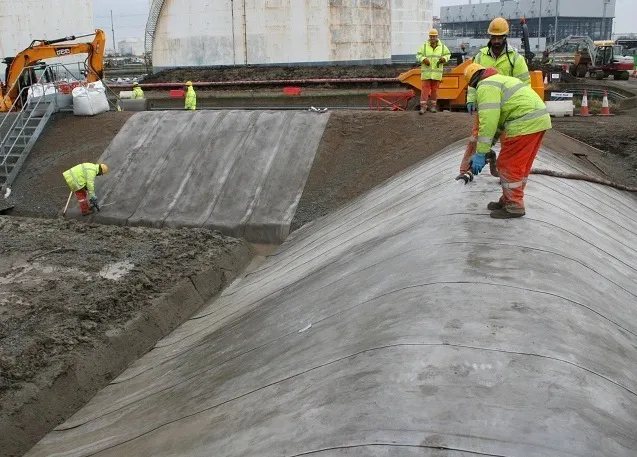
Geosynthetic mat of the GCCM type, consisting of a combination of two layers of geotextiles, filled with a specially designed cement mixture. It is a flexible mat that, when hydrated, provides a thin, rigid, and durable concrete-geosynthetic layer.

advantages:


  • advantages of using GCCM
  • quick and easy installation
  • excellent technical parameters
  • full compliance with ASTM standards
  • low transportation costs
  • economical material usage
  • many areas of application
  • environmentally friendly technology


HDPE Geomembrane
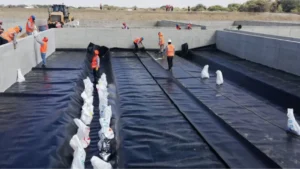


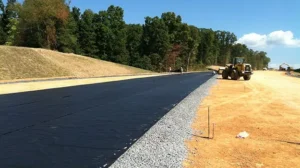
HDPE geomembrane is an insulation material with a very wide range of applications in road and railway construction, municipal investments, e.g. in sealing landfills. Permanently embedded in the ground substrates, HDPE geomembranes fulfill various functions arising from project assumptions, such as improving the physical and mechanical parameters of the construction substrate, reinforcing slope stability, altering the values and directions of groundwater filtration, and creating durable waterproof and gas-tight barriers in the soil environment.

advantages:


  • resistant to UV rays,
  • completely resistant to most chemical compounds and alkalis,
  • lightweight and wide rolls allow for efficient work performance,
  • excellent for protection against aggressive chemical compounds,
  • including petroleum derivatives and those of animal origin,
  • highly tear-resistant,
  • non-biodegradable,
  • environmentally friendly,
  • long lifespan – once applied,
  • it lasts for many years


PVC Geomembrane
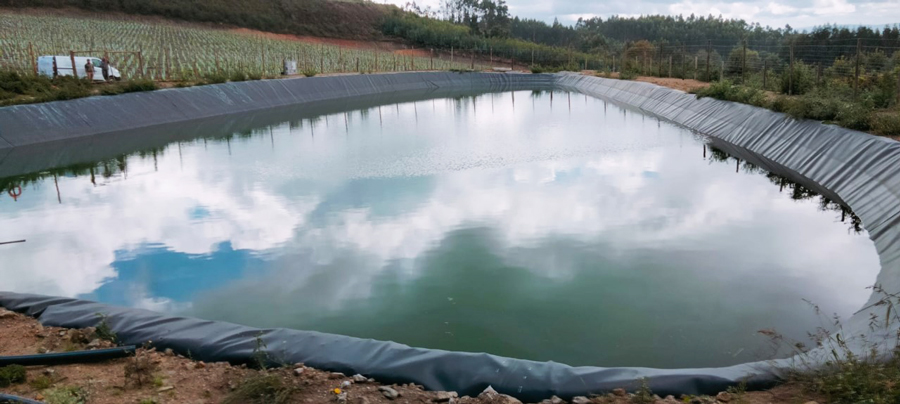


PVC geomembrane is a thick construction foil for insulation (protection) of foundations and more. It is made from a thermoplastic, insulating material produced from vinyl compounds, plasticizers, and stabilizers.

advantages:


  • high flexibility,
  • very good adhesion to the substrate,
  • resistant to uneven ground settling or substrate deformations,
  • due to its high specific weight, it is ideally suited for the insulation of water reservoirs,
  • thanks to its high flexibility,
  • it allows for the pre-preparation of large-format sheets for direct deployment on the construction site

Geocomposite
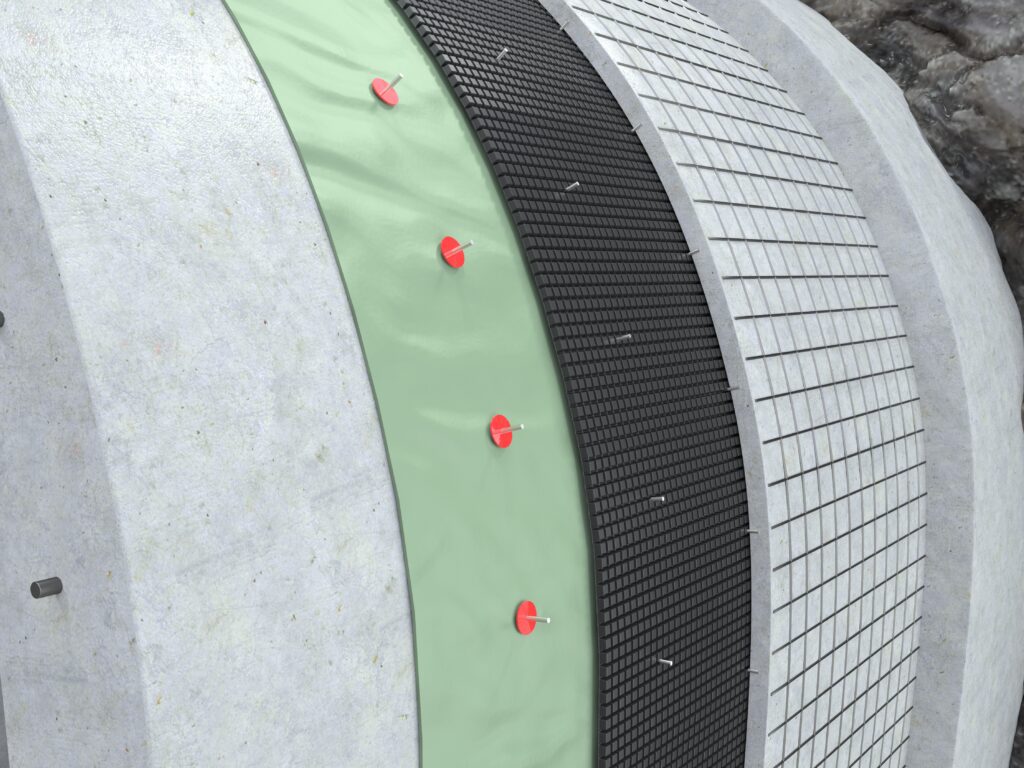


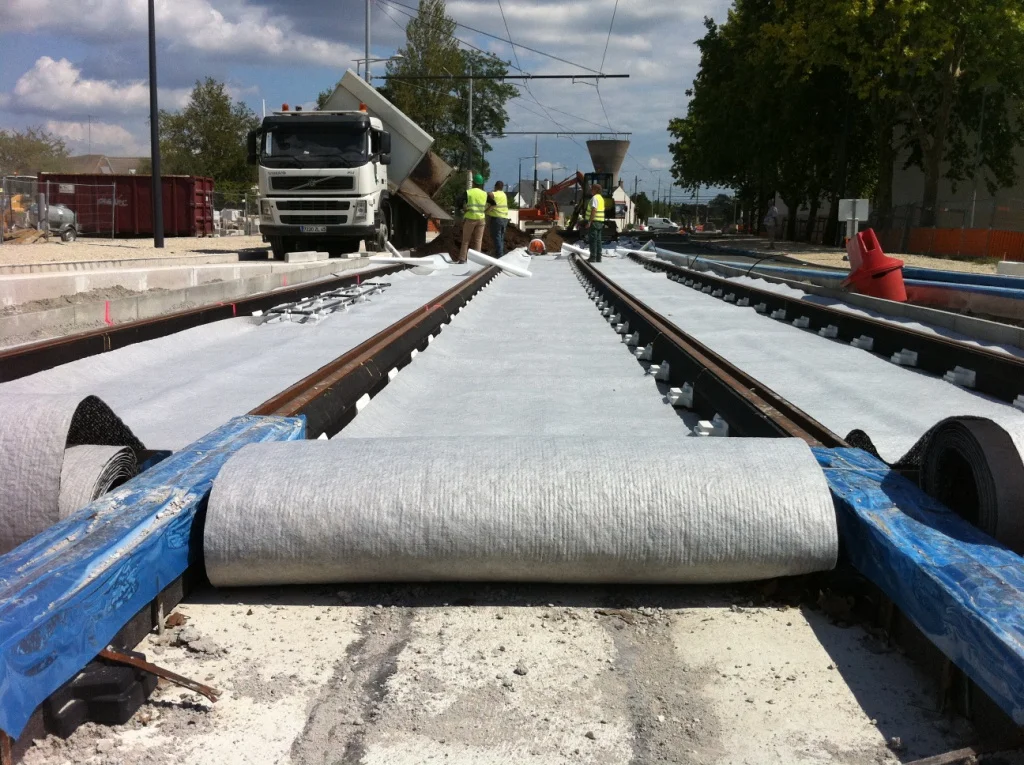
Geocomposite this is a material consisting of at least two types of geosynthetics (e.g., geotextiles, geogrids), which are connected to each other to simultaneously perform multiple functions such as separation, reinforcement, drainage, filtration, and containment. Such a combination allows the creation of a multifunctional product that is more efficient and effective than single materials and is used in civil and hydraulic engineering.

Scroll to Top